What We Do
From Raw Land to Ready Project
Development projects fail at the feasibility stage more often than at construction. A site that looks viable on paper can carry zoning conflicts, infrastructure deficits, environmental constraints, or entitlement timelines that make the numbers stop working before a shovel hits the ground.
We provide the analysis, documentation, and process management to tell you what a site can actually support — and what it'll cost to get there. For clients who are ready to move forward, we carry the project from concept through entitlements, permitting, and into construction.
Services include:
• Site feasibility & due diligence analysis
• Zoning analysis & entitlement strategy
• Subdivision & platting
• Multifamily building design
• Townhome & small-lot residential design
• Mixed-use development design
• Development pro forma & ROI analysis
• Infrastructure coordination — civil, utility, drainage
• Municipal permitting & plan review support
• Construction administration
Who We Work With
Landowners
You own property and want to know what it's worth developed. We assess what the site can support, what the entitlement path looks like, and whether the numbers justify moving forward — before you spend a dollar on design.
Developers & Investors
You're acquiring or repositioning land for residential, multifamily, or mixed-use development. You need a partner who understands entitlements, can run the numbers, and can take the project from feasibility through permitted drawings without losing momentum.
Builders & Contractors
You build. We handle the design, permitting, and entitlement side so you can focus on construction. Whether you're working from your own land or a client's, we're the front-end partner that gets you to groundbreaking faster.
Why It Matters
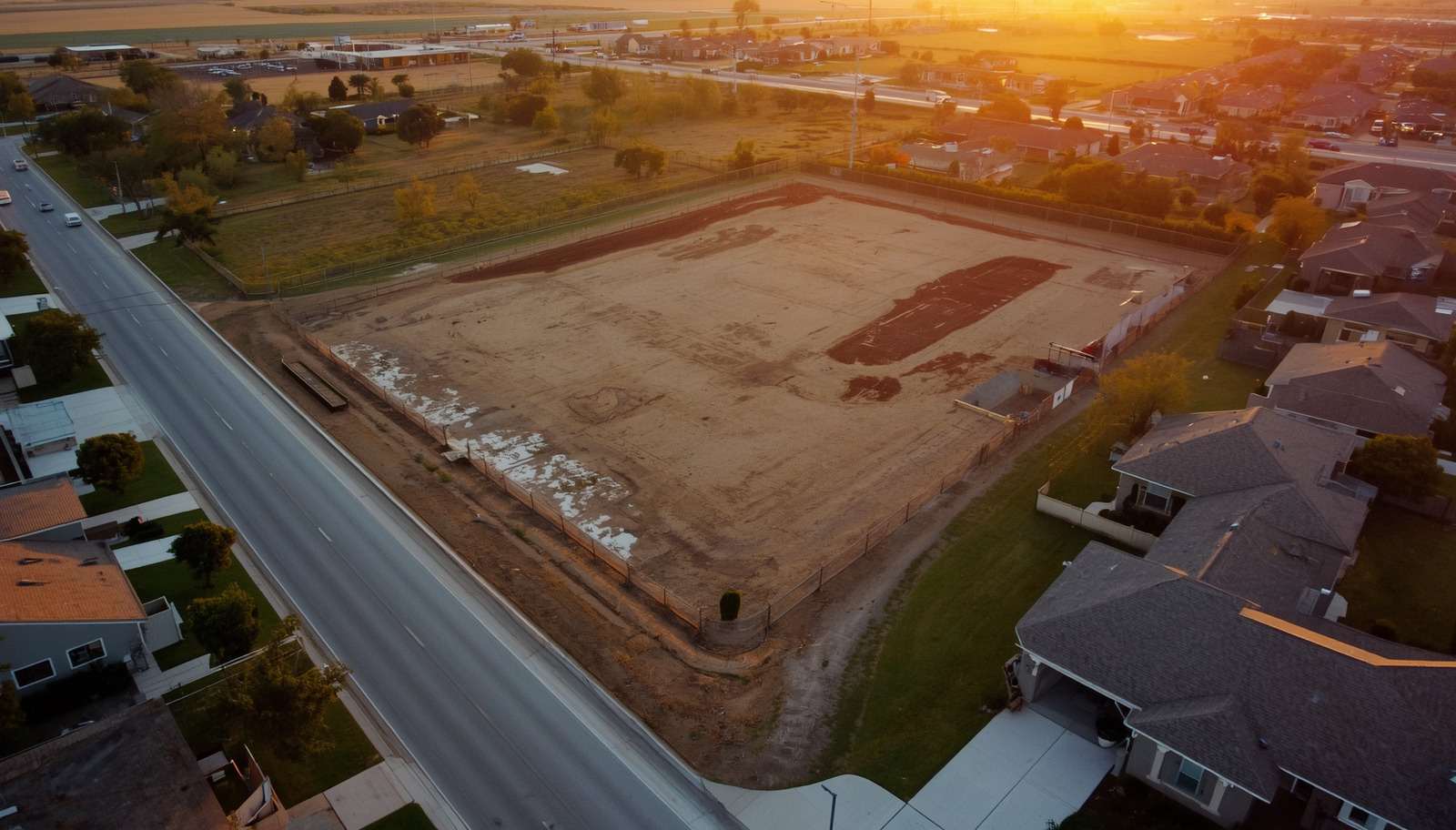
Bad Feasibility Is Expensive. Missing It Is Worse.
Most development projects that go sideways don't fail at construction — they fail because someone committed capital before they understood what the site could actually support. A zoning classification that doesn't allow the intended use. An infrastructure gap that adds $400,000 to the project cost. An entitlement timeline that stretches eighteen months when the pro forma assumed six.
We've worked through all of it. The analysis we provide at the front end of a project isn't a formality — it's the document that tells you whether to proceed, restructure, or walk away before the losses are real.
How It Works

1. Initial Consultation
We start with a direct conversation about the site, your development goals, timeline, and target return. We give you an honest read on feasibility, likely entitlement path, and what it's going to take to get the project to shovel-ready.
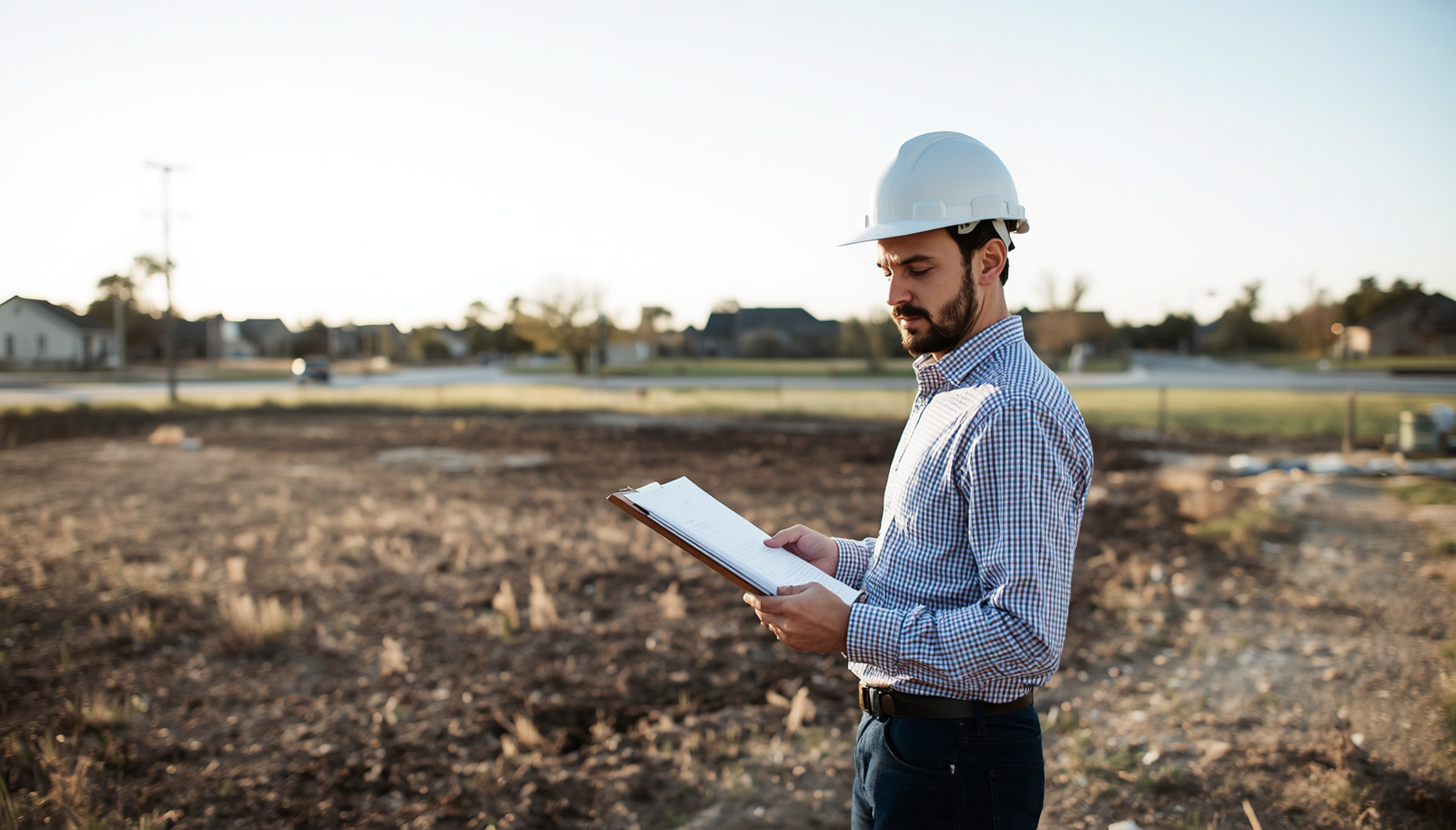
2. Site Visit & Assessment
We analyze the site against zoning, land use regulations, infrastructure availability, environmental constraints, and comparable development activity. This is where assumptions get tested against reality — before any capital is committed to design.

3. Entitlement & Zoning Strategy
We map the entitlement path — rezoning, variances, platting requirements, and municipal approval processes. For projects that need to navigate city or county approvals, we develop the strategy and manage the process.
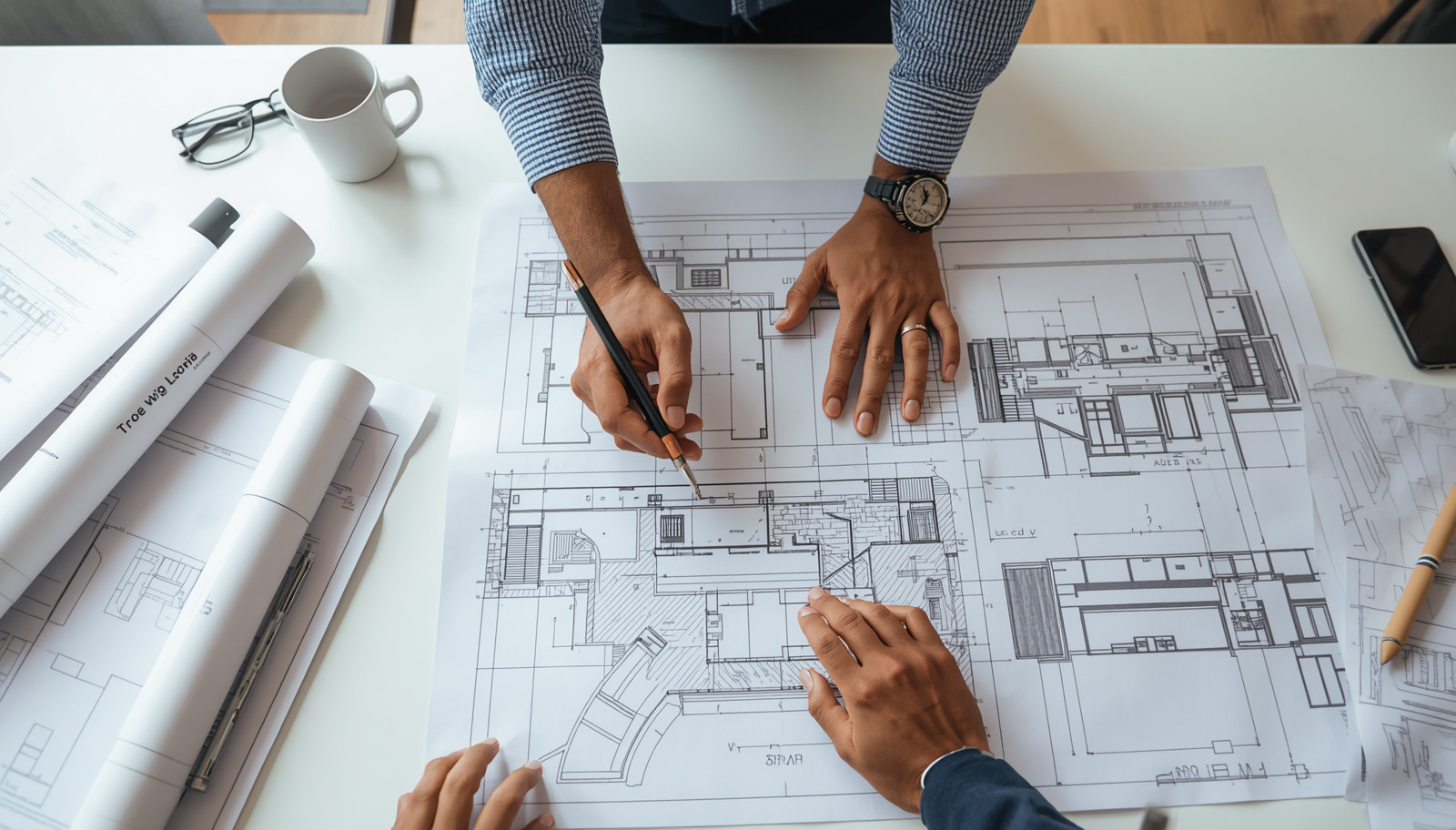
4. Design & Engineering
We develop the site plan and building design in coordination with civil, structural, and MEP engineers. Development projects have more moving parts than a standard building permit — coordination starts early and runs through the full document set.

5. Pro Forma & ROI Analysis
We build or review the development pro forma — project costs, revenue projections, return on investment, and sensitivity analysis. If the numbers don't work, you need to know before the permit documents are done.

6. Permit Documents & Submittals
Complete permit submittal package prepared for the authority having jurisdiction — site plans, building documents, civil drawings, and all required supporting documentation. Formatted correctly and submitted right the first time.
7. Construction Administration
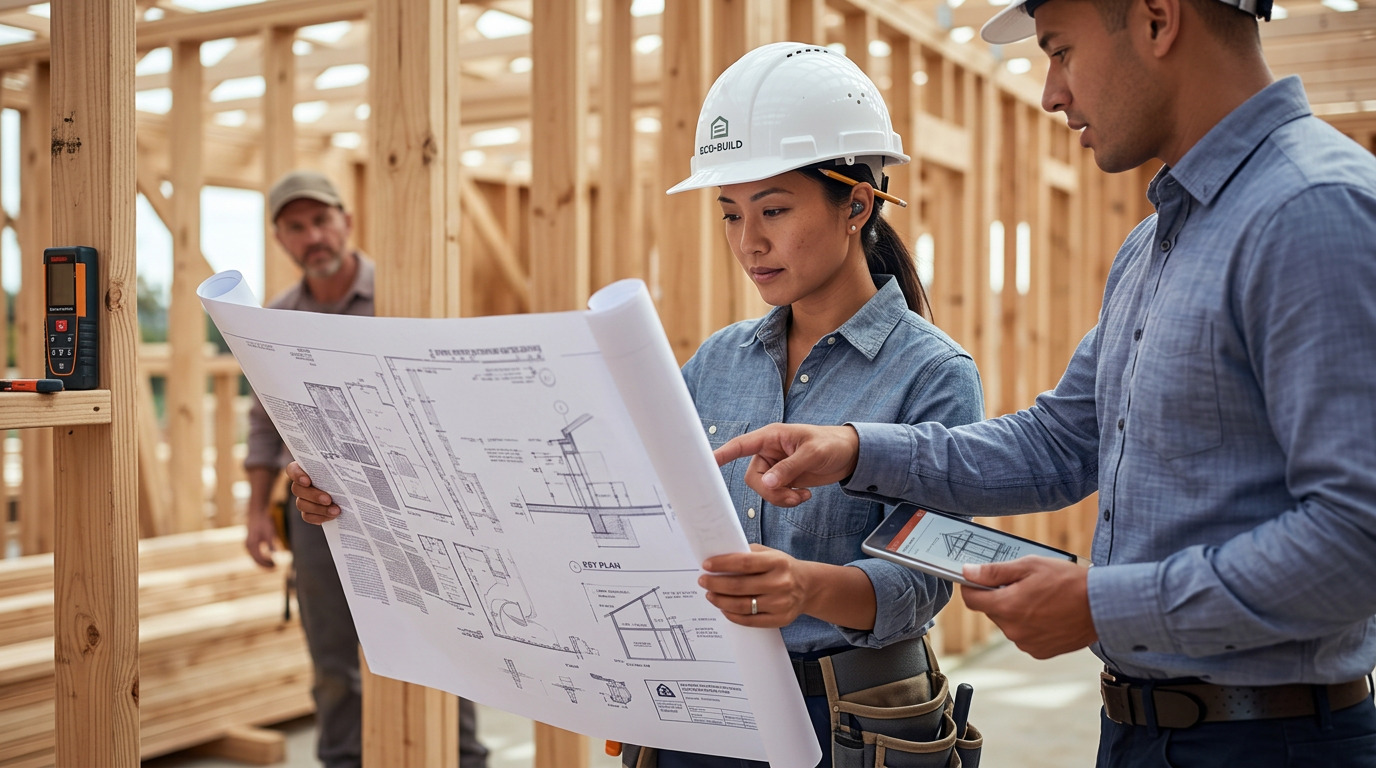
We stay involved through construction to answer RFIs, review submittals, and make site visits as needed. Development builds move fast and involve multiple contractors — CA keeps the project aligned with the permit documents and your pro forma assumptions.